
-
Andreas Wutz

- Beasain City Council
-
Sylvain Guyot

- Orueta Farmhouse
- Centro Centro
-
Mohsen Shahmardi

-
Gordailua

- Amin Yousefi
- Kalegorrian
-
Audiolab

- Basque Government
-
Iñaki Mendiguren
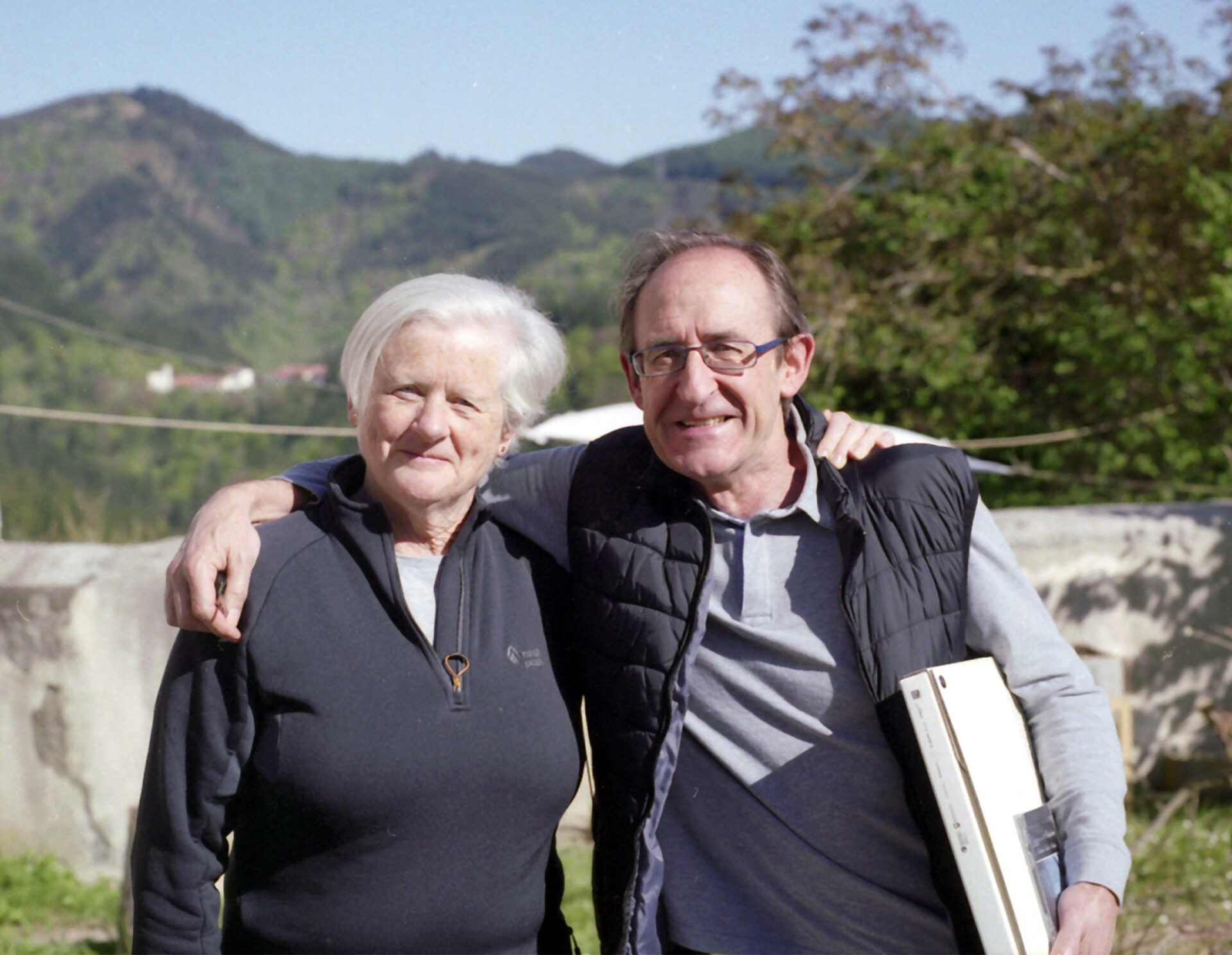
- Ángel Calvo Ulloa
-
Naghmeh Abbasi

-
Katharina Hetzeneder

- WIELS
-
Jon Arcaraz

-
Erromarategi Farmhouse
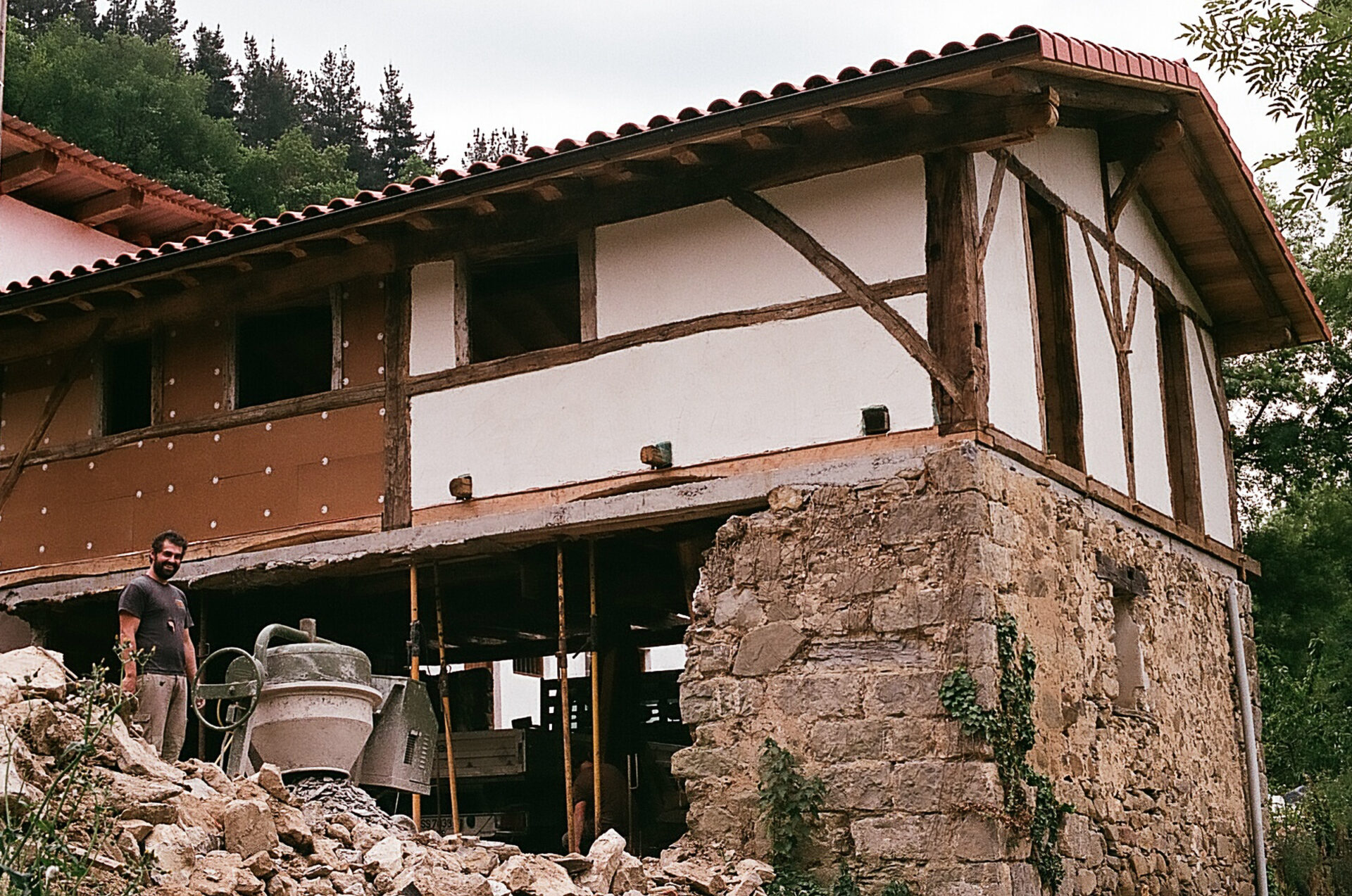
- José Iges
-
Bide bihurrietan

- Mikel Mendizabal
- a—koop
- École supérieure d’art Pays Basque
- Fundación Cerezales Antoninio y Cinia
- Gipuzkoa Provincial Council
- Goimen
-
Vicente Vázquez

- Gâv / گاو
- Event Horizon
- Apeiron / پیرامون
-
Fermin Leizaola

-
Amaonline
- From milk to blood
- Simin Dehghani
-
Omar Jabary

- Oiloak
- Gomiztegi
-
Haiek

- Josu Varela
- Ag Galerie
-
Ibon Aranberri
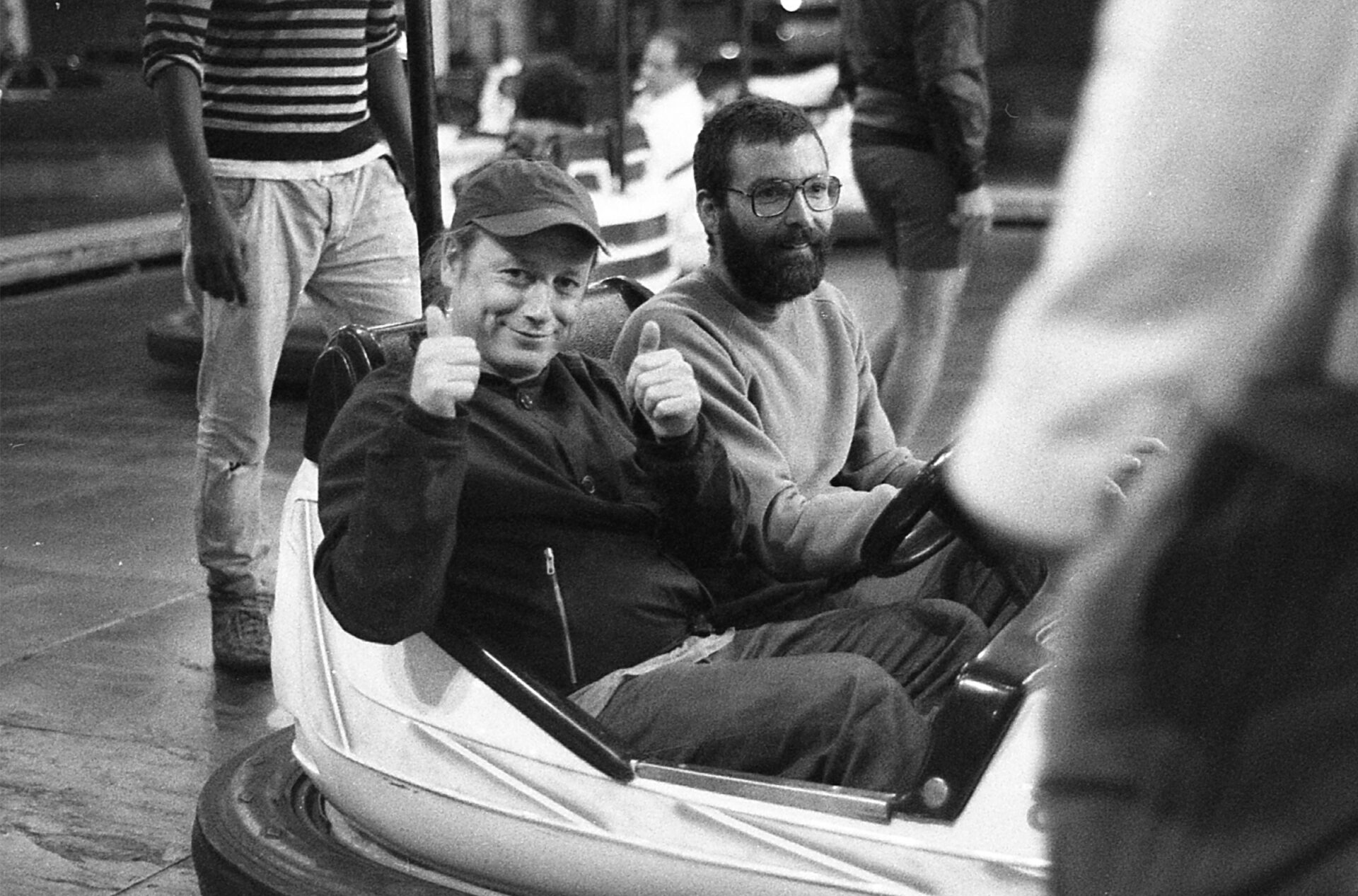
- José Luis Espejo
- Intxaurpe Elkartea
- Lidia Montesinos Llinares
- Pablo Salinas
- Teresa Lanceta
- Igartubeiti Farmhouse
-
Flock

- Nader Koochaki
- Errementari Farmhouse
- Alkiza City Council
- Holger Vogel
- Capital
- San Telmo Museum
- Arantza Santesteban
- Oier Agirre
- Curtocircuito
- Maite Zabaleta
-
Tramontana

- Maddi Barber
- Bárbara Rodríguez Muñoz
- Itzal marra
- Alberdania
- Las simas
- Goierri Eskola
- Geological Survey and Mineral Exploration of Iran
- European Union
- Zera Kultur Elkartea
- Bulegoa z/b
-
Editorial Concreta

- Garikoitz Aiesta
- Apeiron
- Filiep Tacq
- Egurpe
- Ashkan Zahraei
- Jose Luis Lopez de Zubiria
- Anna Manubens
- Irakin
-
Alef / آ

-
Elena Martinez Rubio

-
Luca Rullo

- Neiker
- Harriet Alustiza
- CNRS
- Gorka Alberdi
-
Franzizka Urkia

-
Basque Museum of Bayonne

-
Negative Landscape

- Euskal Kultur Erakundea
- Manuel Olveira
- MUSAC
-
Koenraad Van den Driessche

- UMR Passages
-
Bijan Pakdel

-
Beñat Idiakez

- Reina Sofia Museum
- Astigarretako Batzarra
- Gala
- Osto
- Méga Mingiédi
- Marc Permanyer
- Aleph
-
Poolad Javaher Haghighi

- Artium Museum
-
Imanol Juanes

-
jai/egun

- University of the Basque Country
- BDI (Interoperable Databases Group)
- Ezkio-Itsaso Herri Eskola
- Peio Heguy
- Allande Etxart
-
Samira Shakeri

- Laura Vallés Vílchez
-
Barbara Van Dyck

- La Madraza
-
Larruak eta izurrak

-
Aranzadi Sciences Society

-
Priest’s house

- Museo de la Siderurgia y la Minería de Castilla y León
- School of Architecture EHU
- Soledad Gutiérrez
- Bid-e Sharif
- Otegi Farmhouse
-
Xabier Erkizia

- Anidar en el gesto: unas estanterías de Alberto
- Jaione Peñagarikano
- Fundación Botín
- Goikoetxe Farmhouse
- Mauléon City Council
- Iñigo Telletxea
- Xoan Xil
-
Jose Antonio Lazcano

-
Rubio

-
CEIT

- Carlos Gor
- Dastan Gallery
- Aidin Keikhaee
- Syndicate Commission of Xiberoa
- Goierri Eskola
- Zuaneta Farmhouse
- Michael Marder
- DRAC
- Roge Astigarraga
- Burning Willow
- Jakoba Errekondo
- Negative Landscape
- Joaquín Gañez
-
Antonio Menchen

- Patio Herreriano Museum
- Royal Observatory of Madrid
- Euken Alonso
-
Salvador Robles

-
Kimia Kamvari

- Michael Marder
- Cristina Enea Foundation
-
Artetxe

- Tabakalera
- Eremuak
- Michelena Artes Gráficas
- Arsenio Terrón Alfonso
- Andrea Zarza
- Etxepare Basque Institute
-
Ibon Telleria

- Sabrina Romero
- Xiberoko Botza
- Ezkierdi Farmhouse
- Kutxa Foundation
- Siamak Mahmoudi Sivand
- AI
- Jose Inazio Gorostidi
- Ostatu
-
Garazi Navas

- Shokoofeh Khoramroodi
- Vista parcial / Entresaka
- Brizzolis
-
Eneas Bernal

- Jesús Martínez Sánchez-Dehesa
-
Sarah Turtle
- Alain Perpétue
- Mendinet
